
Leading Storm Restoration Products for Rapid Repairs
Equip yourself with the most effective solutions to minimize damage and speed up the restoration process.
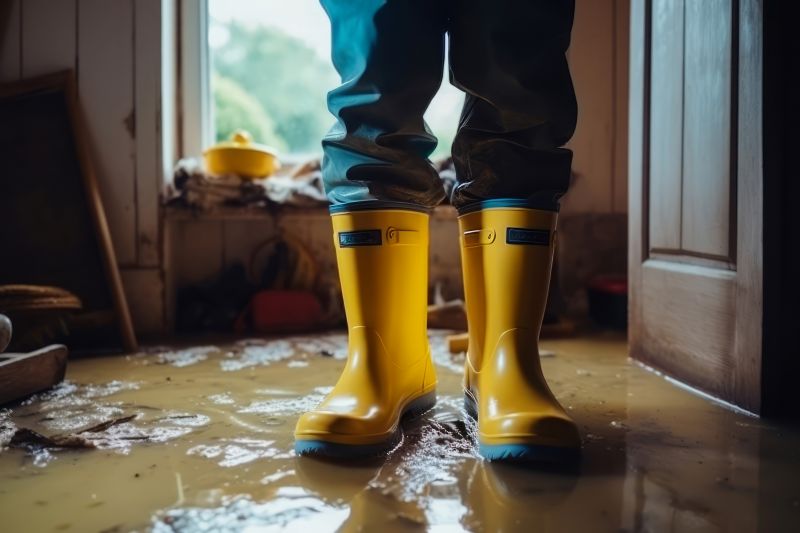 Storm restoration products are essential for repairing and reinforcing structures affected by severe weather events such as hurricanes, heavy rain, hail, and strong winds. In Whittier, CA, where weather patterns can sometimes cause significant damage to roofs, windows, and exteriors, having the right tools and materials is crucial for effective restoration. These products help mitigate further damage, restore safety, and improve the durability of affected properties. From protective coverings to structural reinforcements, a wide range of options exists to address various restoration needs.
Top Overall Option
Heavy-Duty Weatherproof Tarp
A versatile, durable tarp designed to provide temporary coverage and protection during storm damage repairs. Its heavy-duty materials resist tearing and withstand harsh weather conditions, making it suitable for covering roofs, windows, and exposed structures. Easy to install and remove, it offers a reliable solution to prevent further damage until permanent repairs can be completed.
Types of Products For Storm Restorations
Storm-Resistant Tarps
Heavy-duty tarps designed to cover damaged areas and prevent additional weather exposure.
Roofing Underlayment
Waterproof membranes used beneath roofing materials to provide an extra layer of protection against leaks.
Reinforced Sealants
High-strength sealants that help seal cracks and gaps around windows, doors, and roof joints.
Structural Reinforcement Materials
Steel braces, hurricane straps, and other supports used to reinforce weakened structures.
Waterproofing Membranes
Flexible membranes applied to exterior surfaces to prevent water intrusion.
Storm-Resistant Windows
Impact-resistant windows designed to withstand hail and debris impacts.
Gutter and Drainage Products
Enhanced gutter systems and drainage solutions to manage heavy rain runoff.
Emergency Repair Kits
Pre-packaged kits containing essential tools and materials for quick repairs.
Roof Ventilation Systems
Ventilation solutions that help reduce moisture buildup during storm damage repairs.
Hurricane Straps and Ties
Metal straps and ties used to secure roof and wall structures against high winds.
Exterior Wall Wraps
Protective wraps that shield exterior walls from water and wind damage.
Insulation for Storm Damage
Moisture-resistant insulation materials for restoring interior thermal protection.
Debris Removal Tools
Heavy-duty rakes, shovels, and blowers for clearing storm debris efficiently.
Portable Generators
Reliable power sources for temporary lighting and equipment during repairs.
Safety Equipment
Helmets, gloves, and protective gear essential for safe restoration work.
Popular Choices
Widely used for quick coverage of damaged roofs and structures during storm cleanup.
Commonly chosen for their ability to withstand debris impact during storms.
Popular for securing roof and wall connections against high winds.
Frequently used to add an extra layer of protection beneath roofing materials.
Chosen for exterior sealing and waterproofing applications during restoration.
Popular for managing heavy rainfall and preventing water damage.
Commonly kept on hand for quick response to storm-related damage.
Used extensively for sealing cracks and gaps after storm damage.
Often selected to provide power during storm restoration projects.
Essential for protecting workers during storm damage repairs.
Popular for protecting walls from water intrusion during restoration.
Frequently used to clear storm debris efficiently and safely.
Proper storm restoration begins with assessing the damage and selecting appropriate products that match the severity and type of the impact. High-quality tarps and coverings are often the first line of defense, shielding exposed areas from additional weather exposure. Reinforcement materials like storm-rated nails, fasteners, and sealants ensure that repairs hold up against future weather events. For more extensive damage, structural supports and waterproofing membranes are vital to restore the integrity of the building.
Safety and durability are paramount when choosing storm restoration products. It is important to consider the compatibility of materials with existing structures, ease of installation, and long-term performance. Properly selected products can help property owners and contractors in Whittier, CA, carry out repairs efficiently while minimizing the risk of recurring damage. Investing in reliable, high-quality storm restoration supplies can make a significant difference in the resilience and longevity of a property after a storm event.
Key Buying Considerations
- Assess the extent and type of storm damage to determine suitable products.
- Choose materials that are rated for the specific weather conditions expected in your area.
- Verify the durability and tear resistance of tarps and coverings for long-lasting protection.
- Ensure compatibility of reinforcement and structural support products with existing building materials.
- Consider ease of installation, especially for temporary or emergency repairs.
- Select waterproof and water-resistant materials to prevent future water intrusion.
- Evaluate the impact resistance of windows and exterior products if high debris impact is a concern.
- Check for compliance with local building codes and safety standards.
- Opt for products with good reviews and proven performance in storm restoration scenarios.
- Factor in the availability of replacement parts and ongoing maintenance needs.
- Prioritize safety equipment and protective gear for workers involved in repairs.
- Determine the need for professional installation versus DIY-friendly products.
- Consider the storage and transportation requirements for larger or bulky items.
- Review warranty and return policies for peace of mind regarding product quality.
- Plan for future storm preparedness by selecting versatile, multi-purpose products.